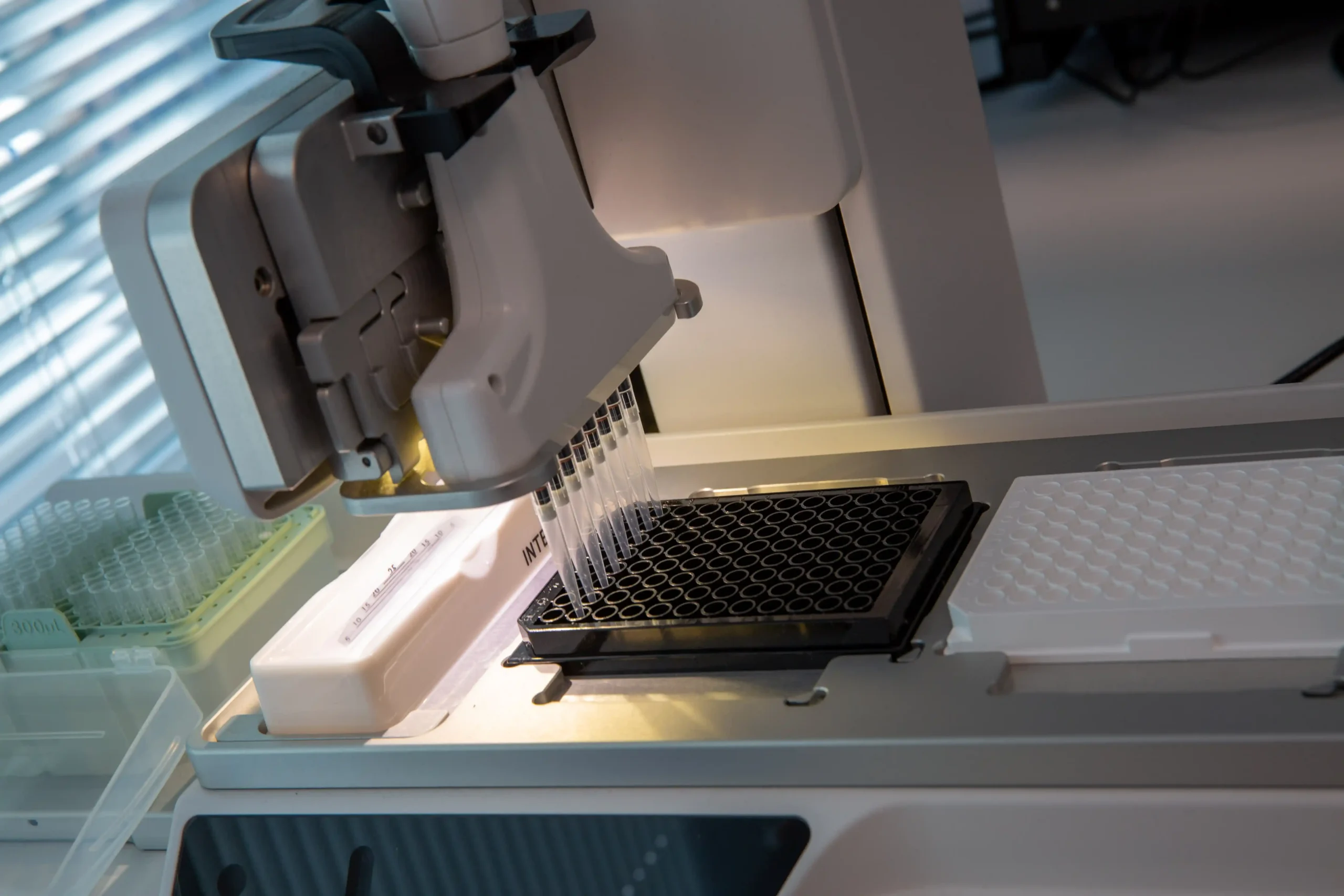
Trabecular Meshwork (TM) Dysfunction Model
- This human iPSC-derived trabecular meshwork model recapitulates key pathological features of glaucoma, including extracellular matrix remodelling, altered cytoskeletal organisation, contractility changes, and inflammatory stress.
- Disease-like phenotypes are induced using clinically relevant triggers such as TGF-β2 or dexamethasone.
- The model supports efficacy screening, target validation, and mechanism-of-action studies relevant to intraocular pressure regulation.
Retinal Ganglion Cell (RGC) Neurodegeneration Model
- A human iPSC-derived retinal ganglion cell model used to study glaucoma-associated neurodegeneration.
- Oxidative and metabolic stressors induce RGC injury, enabling assessment of neuroprotective strategies.
- Readouts include cell survival, apoptosis, neurite integrity, and mitochondrial stress, supporting both prevention and rescue study designs.
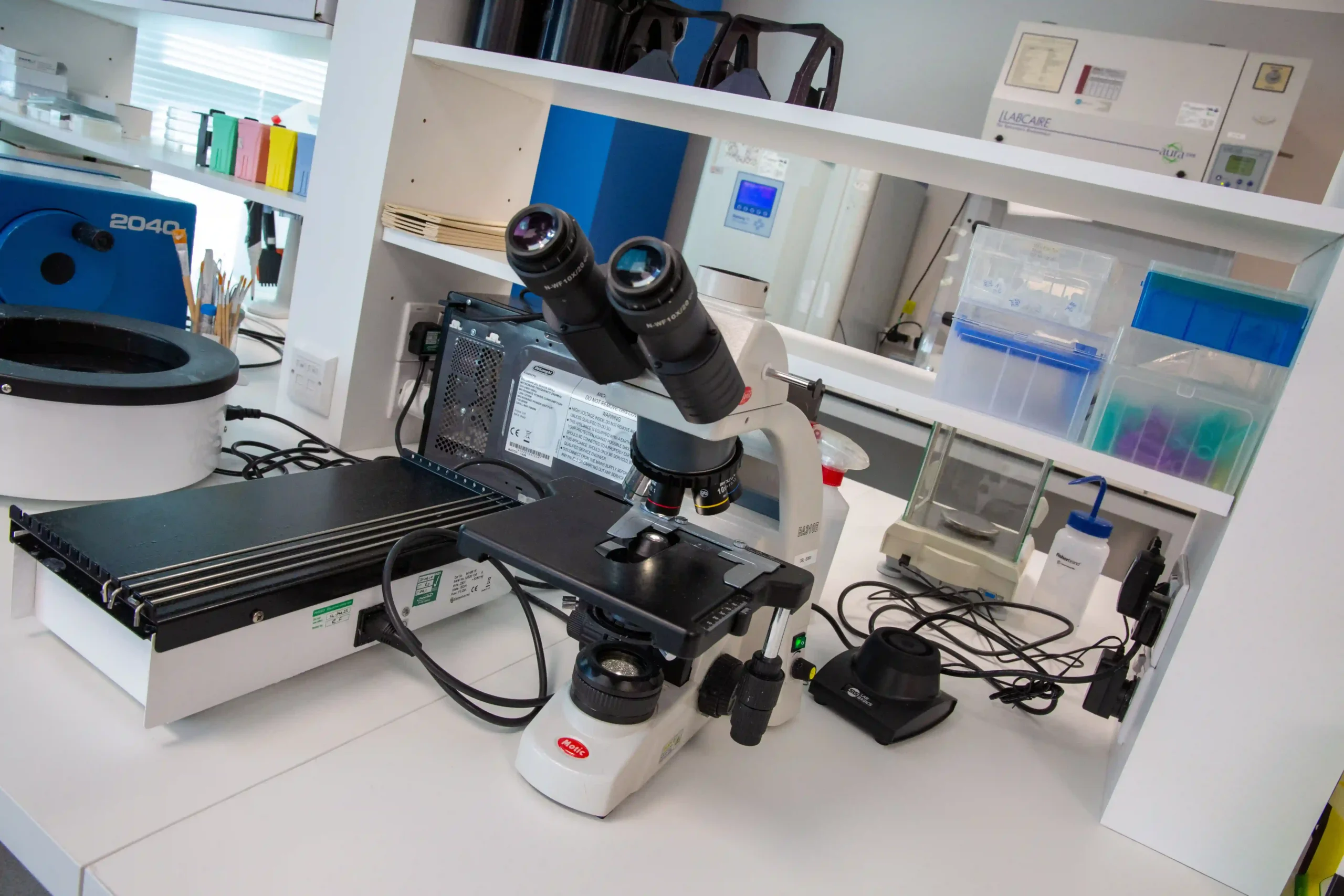
Stargardt Disease (STGD1) Model
- This model uses patient-derived or gene-edited iPSC-derived retinal pigment epithelium (RPE) to reproduce ABCA4-related pathology.
- Under oxidative stress, cells accumulate lipofuscin and autofluorescent bisretinoids, leading to complement activation, barrier dysfunction, and cell death.
- It is well suited for therapeutic screening and mechanistic studies.
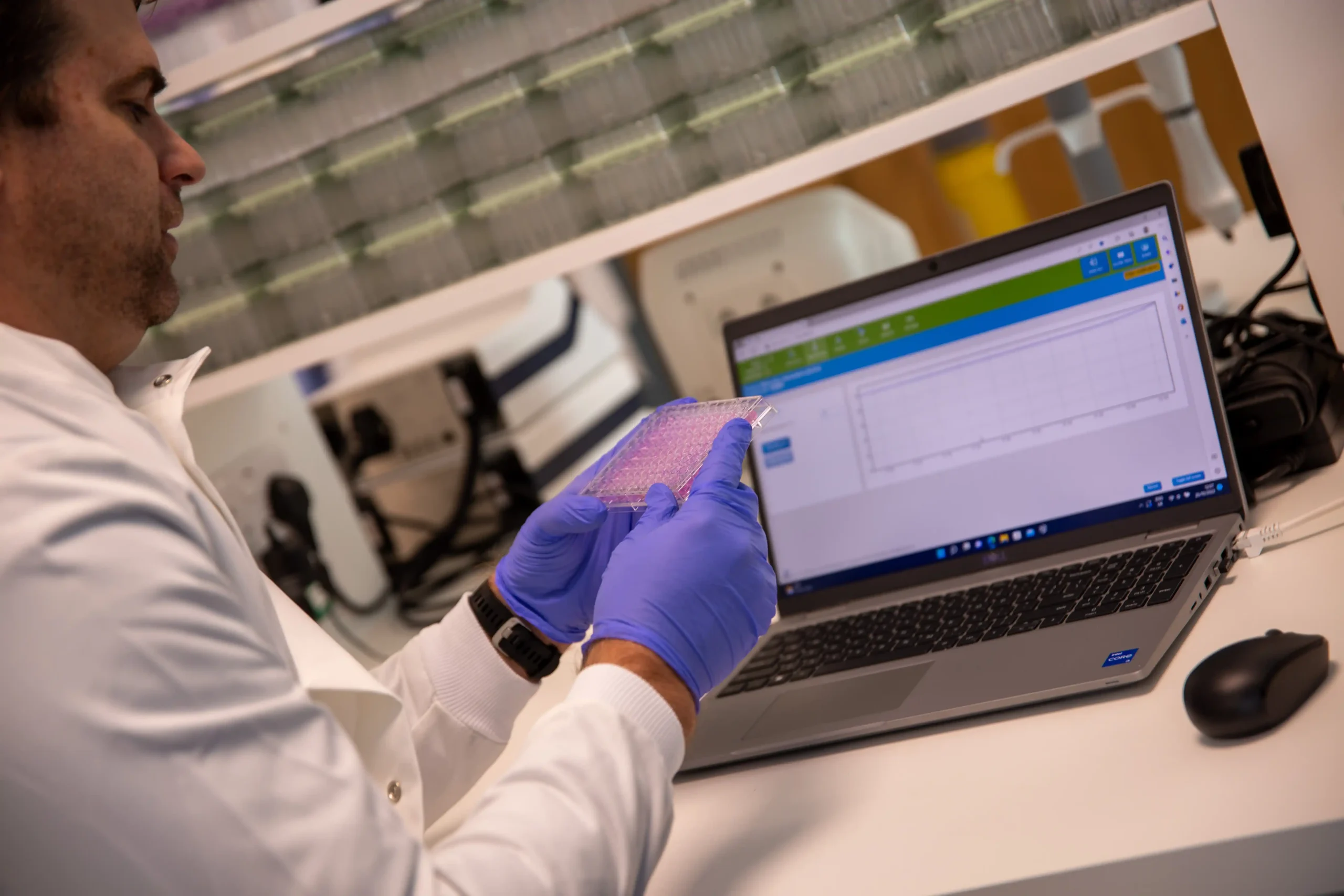
Retinitis Pigmentosa (RP) Model
- Closely related to the Stargardt platform, this iPSC-RPE-based disease model captures progressive retinal degeneration mechanisms, including impaired phagocytosis, oxidative stress sensitivity, and barrier breakdown.
- It supports long-term culture to monitor disease progression and rescue effects.
Dry and Wet AMD RPE Stress Model
- A human RPE-based model (ARPE-19 or iPSC-RPE) that mimics AMD pathology through A2E loading and photo-oxidative stress.
- This induces mitochondrial dysfunction, ROS generation, inflammatory signalling, complement activation, and barrier impairment.
- The model supports prevention and rescue paradigms relevant to both dry and wet AMD.
Immunology-Enhanced AMD Co-culture Model
- An advanced RPE–immune cell co-culture system incorporating macrophages (M1/M2) or monocyte-derived cells to capture the contribution of innate immunity to AMD progression.
- This premium model enables evaluation of immunomodulatory therapies and inflammatory drivers of retinal degeneration.
In Vitro Angiogenesis (Matrigel Tube Formation) Model
- A high-throughput human endothelial cell assay used to screen compounds for anti-angiogenic or pro-angiogenic activity.
- Key readouts include total tube length and network complexity, making it suitable for early screening of large compound sets.
Endothelial Co-culture Angiogenesis Model
- A more physiologically relevant co-culture angiogenesis assay using two human cell types to assess functional angiogenic responses.
- This model supports dose–response testing and is particularly relevant for retinal vascular diseases.